Get Tree Canopy Thinning in Hibbing, MN
Tree Canopy Thinning services for Hibbing, MN, property owners address overgrown branches, improve safety, and enhance yard visibility through expert pruning and removal projects.
Tree canopy thinning services are often considered by property owners in Hibbing, MN to improve the overall health and appearance of their landscape. By selectively removing certain branches or sections of a tree, property owners can enhance air circulation and sunlight exposure, which can promote stronger growth and reduce the risk of disease. This work can also help to prevent branches from becoming overly dense, decreasing the likelihood of limb failure during storms and improving safety around the property.
In addition to safety and health benefits, canopy thinning can boost curb appeal by creating a more balanced and aesthetically pleasing landscape. It can improve the functionality of outdoor spaces by allowing more light and air to reach lawns, gardens, and other features. Many property owners also seek this service to reduce ongoing maintenance efforts, as thinner canopies are easier to manage and less prone to fallen branches or debris, contributing to a more durable and attractive landscape.
- Tree Canopy Thinning Services - needed when overgrown or dense tree canopies obstruct sunlight or views in residential or commercial properties.
- Tree Canopy Thinning Services - appropriate for managing tree health and reducing branch weight to prevent potential damage during storms.
- Tree Canopy Thinning Services - useful in urban areas like Hibbing, MN, to improve air circulation and reduce the risk of disease spread among trees.
- Tree Canopy Thinning Services - recommended when preparing trees for construction projects to prevent interference with structures or utilities.
- Tree Canopy Thinning Services - beneficial for enhancing aesthetic appeal and maintaining proper spacing between trees in landscaped areas.
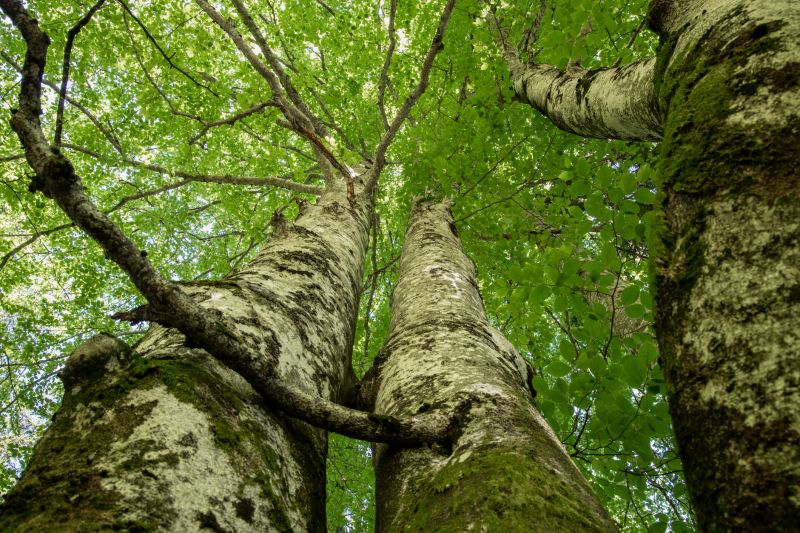
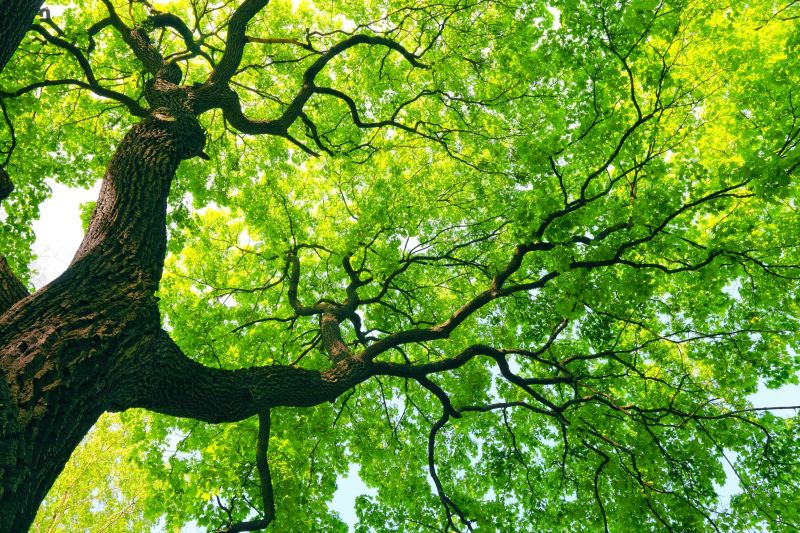
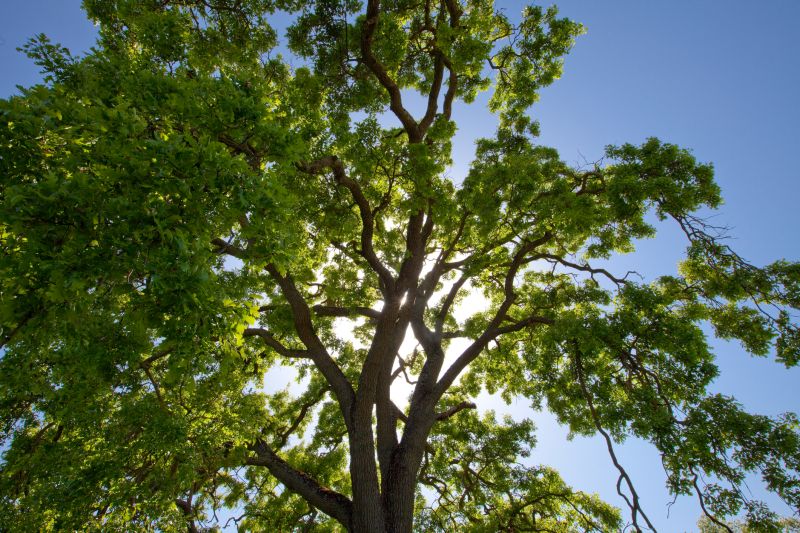
Tree canopy thinning services involve selectively reducing the density of branches and foliage in mature trees to improve their overall health and appearance. This process typically includes removing dead or overgrown limbs, thinning out crowded branches, and opening up the canopy to allow more light and air to reach the interior of the tree. The goal is to achieve a balanced, healthy structure that minimizes the risk of branch failure while maintaining the natural shape of the tree. Professionals use specialized techniques to ensure that the thinning is performed safely and effectively, helping to preserve the tree’s stability and aesthetic appeal.
One of the primary issues addressed by canopy thinning is the prevention of limb failure and storm damage. Overly dense canopies can become a liability during high winds or heavy snow, increasing the likelihood of branches breaking and causing property damage or injury. Thinning can also reduce the weight load on branches, decreasing the risk of structural failure. Additionally, this service can improve air circulation and light penetration within the canopy, which can promote healthier growth and reduce the likelihood of disease or pest infestations that thrive in dense, shaded environments.
Properties that typically utilize tree canopy thinning services include residential neighborhoods, commercial properties, parks, and institutional grounds. In residential areas, thinning can enhance curb appeal and ensure safety around homes and walkways. Commercial properties often use canopy thinning to maintain a safe environment for visitors and employees, as well as to uphold the aesthetic standards of the property. Parks and public spaces benefit from thinning to promote healthy, resilient trees that can withstand weather events and continue to provide shade and beauty for the community.
Professional tree service providers who offer canopy thinning work with property owners to assess the specific needs of each tree and develop a tailored approach. This service is suitable for trees that have become overly dense or are showing signs of structural weakness. By removing excess foliage and weak branches, property owners can help extend the lifespan of their trees, improve safety, and enhance the overall landscape. Contacting experienced local arborists or tree care specialists can ensure that canopy thinning is performed correctly and effectively, supporting the health and safety of both the trees and the property.
The overview below groups typical Tree Canopy Thinning projects into broad ranges so you can see how smaller, mid-sized, and larger jobs often compare in Hibbing, MN.
In many markets, a large share of routine jobs stays in the lower and middle ranges, while only a smaller percentage of projects moves into the highest bands when the work is more complex or site conditions are harder than average.
Tree Canopy Thinning Costs - The typical cost for canopy thinning services ranges from $200 to $800 per tree, depending on the size and complexity of the job. Larger or more intricate canopies may cost more, with some projects reaching $1,200 or higher.
Service Pricing Factors - Costs vary based on tree height, canopy density, and location. For example, thinning a medium-sized tree in Hibbing might cost around $300 to $500, while larger trees could be $700 or more.
Average Cost Range - On average, homeowners can expect to pay between $400 and $900 for professional canopy thinning services. This range covers standard tree sizes and typical service scopes.
Additional Expenses - Extra charges may apply for services like debris removal or access equipment, which can add $50 to $200 to the overall cost depending on the project specifics. Local pros can provide detailed estimates based on individual needs.
Actual totals will depend on details like access to the work area, the scope of the project, and the materials selected, so use these as general starting points rather than exact figures.
Tree Canopy Thinning services involve the selective removal of branches to improve tree health and structure, helping to manage canopy density effectively.
Professionals in this field assist with thinning to reduce weight and wind resistance, which can minimize the risk of storm damage in local communities.
Local arborists offer canopy thinning to enhance sunlight penetration and air circulation, supporting the overall vitality of urban and residential trees.
Tree canopy thinning services are utilized to improve aesthetic appeal and ensure trees do not interfere with power lines or nearby structures.
Contractors provide thinning solutions to promote the growth of remaining branches, encouraging healthier and more balanced tree development.
These services are often sought after for maintaining the safety and appearance of trees in parks, streetscapes, and private properties in the area.
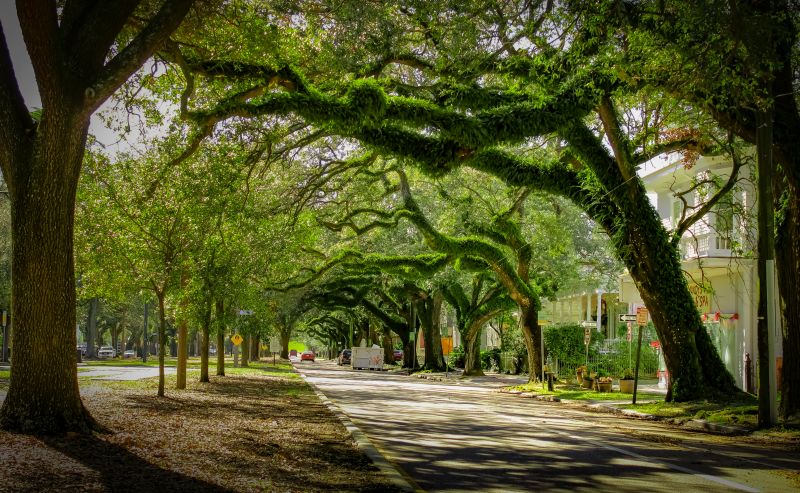
When selecting a professional for Tree Canopy Thinning services, it is important to consider their experience with similar projects. Homeowners should look for local providers who can demonstrate a solid track record of successful canopy thinning, ideally with references from previous clients in the area. Clear communication about the scope of work, including what to expect and any potential impacts on the landscape, helps ensure that the project aligns with the homeowner’s goals and reduces misunderstandings.
Reputable local service providers often provide written expectations outlining the specifics of the canopy thinning process, including the methods used and the extent of the work. This documentation can serve as a helpful guide for homeowners to understand what will be done and to ensure that the project adheres to agreed-upon standards. Additionally, seeking out providers with established reputations in the community can offer peace of mind, as their local presence often correlates with accountability and quality of service.
Effective communication is a key factor when comparing local pros for Tree Canopy Thinning. Homeowners should prioritize providers who are responsive to inquiries and willing to discuss project details thoroughly. A professional approach includes providing detailed explanations, answering questions clearly, and maintaining open channels of communication throughout the process. While the information below introduces local options, it is recommended to contact multiple providers directly to gauge their responsiveness and professionalism before making a decision.
Property owners in Hibbing, MN use Tree Canopy Thinning services for practical projects around their homes and businesses. The sections below highlight everyday jobs and straightforward project options.
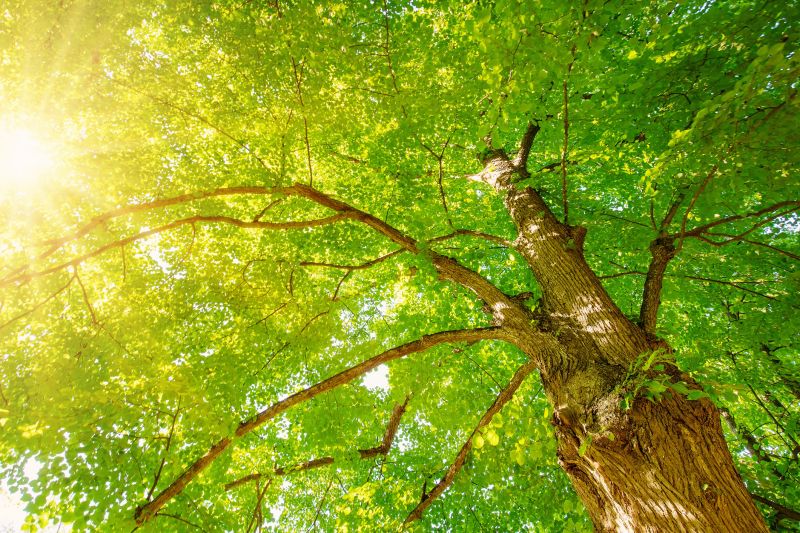
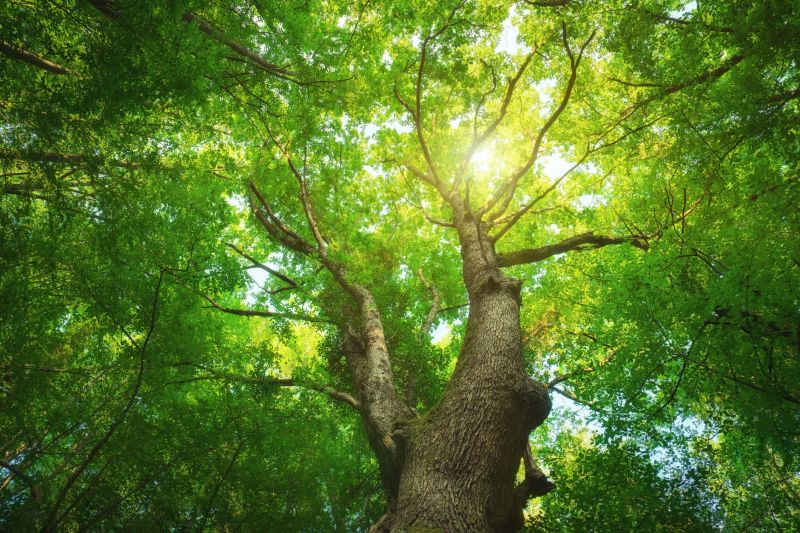
Tree canopy thinning services are often sought by property owners in Hibbing, MN, who notice overgrown or densely packed branches that may interfere with power lines, block sunlight, or create safety concerns. Removing or thinning out parts of a tree can help improve air circulation, reduce the risk of storm damage, and promote healthier growth. Local service providers can assist with careful assessments to determine which branches should be pruned to maintain the tree’s stability and appearance.
Additionally, property owners might pursue canopy thinning to enhance the overall landscape or to prevent branches from encroaching on buildings, driveways, or sidewalks. In Hibbing’s seasonal climate, thinning can also help prevent snow accumulation on branches, reducing the chance of breakage. Consulting with experienced tree care professionals can ensure that thinning is performed safely and effectively, supporting the long-term health of the trees and the safety of the property.
What is tree canopy thinning? Tree canopy thinning involves selectively removing branches or limbs to reduce the density of a tree's foliage, improving airflow and sunlight penetration.
Why consider tree canopy thinning? Thinning can help reduce the risk of storm damage, improve tree health, and prevent overgrowth that may interfere with structures or power lines.
How do professionals determine if a tree needs thinning? Local arborists assess the tree's health, structure, and surrounding environment to recommend appropriate thinning services.
Is tree canopy thinning safe for the tree? When performed by experienced service providers, thinning is generally safe and can promote the tree's overall vitality.
How often should tree canopy thinning be done? The frequency varies based on the tree species and growth rate, but typically every few years is recommended to maintain optimal health and safety.
Tree Canopy Thinning Benefits
- Thinning tree canopies can improve sunlight penetration and air circulation around trees and nearby structures.Professional Tree Canopy Thinning
- Local service providers can assess and perform canopy thinning to promote healthier tree growth and reduce potential hazards.Tree Canopy Thinning Techniques
- Experts utilize various thinning methods to carefully remove selected branches, maintaining the tree’s overall health and appearance.Consulting for Tree Canopy Management
- Contact local arborists or tree care specialists for advice on canopy thinning tailored to specific tree types and landscape needs.
Considering Tree Canopy Thinning for a property in Hibbing, MN? The sections above highlight common project types, practical options, and details that often shape the scope of work.
When you are ready, use the quote form to share a few details about your project. Local pros can review the basics and respond with options that match what you have in mind.