Compare Local Contractors for Safe Tree Branch Cutting Services
Compare local contractors for tree branch cutting to define scope, verify experience, and set clear expectations for a safe, effective job.
Tree branch cutting services typically involve the removal of overgrown or hazardous branches from trees on residential or commercial properties. This work can include trimming dead or diseased limbs, reducing the size of a tree for safety or aesthetic reasons, and clearing branches that interfere with power lines, structures, or pathways. Properly executed, these services help maintain the health and appearance of trees while minimizing potential risks. When planning this type of work, property owners should clearly define the scope of the project-deciding which branches need removal and establishing the desired outcome-to ensure everyone involved understands the expectations from the outset.
Defining the scope of tree branch cutting projects is essential to avoid misunderstandings and ensure the work aligns with property owners’ needs. A detailed scope might specify which parts of the tree are to be trimmed, the methods to be used, and any specific safety or preservation considerations. Having these details in writing helps prevent miscommunication and provides a clear reference for the contractor. It also allows property owners to compare different local contractors based on their ability to meet the outlined requirements, ensuring that the selected service provider has the experience and resources necessary to handle the job effectively.
Comparing local contractors for tree branch cutting involves assessing their experience, reputation, and the scope of services they offer. Property owners can review online profiles, ask for references, and verify the types of projects each contractor has completed in the past. It’s also helpful to seek clarity on how each service provider plans to approach the work and to confirm that their services match the specific needs of the property. By gathering detailed information and ensuring that scope expectations are clearly communicated and documented, property owners can make informed decisions when choosing a contractor capable of handling their tree trimming needs professionally and reliably.
Compare local contractors by outlining your project priorities, verifying experience, and clearly defining scope and expectations.
- Compare Contractor Experience - Review the backgrounds of local contractors to ensure relevant experience with tree branch cutting.
- Define Scope Clearly - Communicate the specific branches or areas to be trimmed to set accurate expectations.
- Verify Service Provider Credentials - Confirm the qualifications and reputation of local contractors before hiring.
- Document Work Details in Writing - Establish a clear agreement outlining the scope, responsibilities, and expectations for the project.
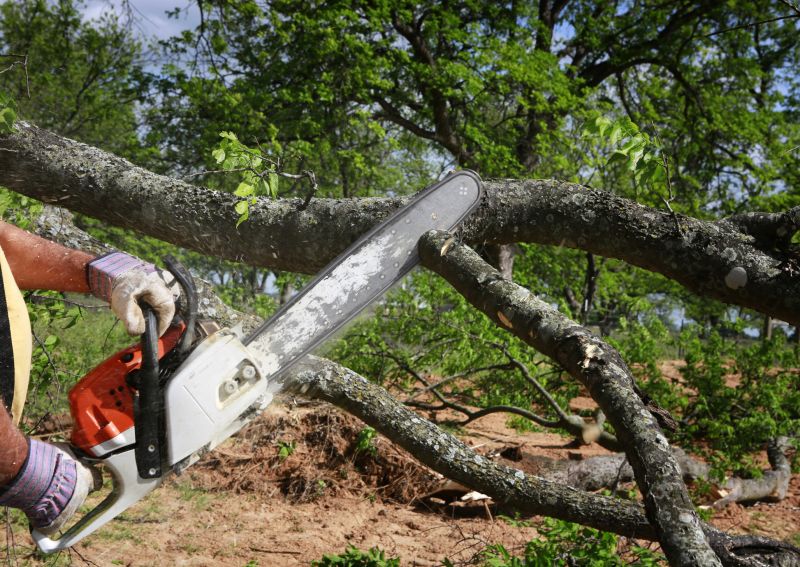
Clearly describe your tree branch cutting project to help compare local contractors, define scope, and set expectations in writing.
- Assess experience and expertise of local contractors in tree branch cutting projects. Verify that scope of work is clearly defined and documented in writing before work begins. Compare multiple service providers to evaluate their qualifications and service offerings. Ensure that the contractors have appropriate equipment and techniques for safe and effective branch removal. Check references or reviews to gauge the quality of previous tree branch cutting work performed by the service providers. Confirm that the scope, expectations, and any specific requirements are detailed in a written agreement.
Compare local contractors' experience and clarify project scope to ensure clear, written expectations.
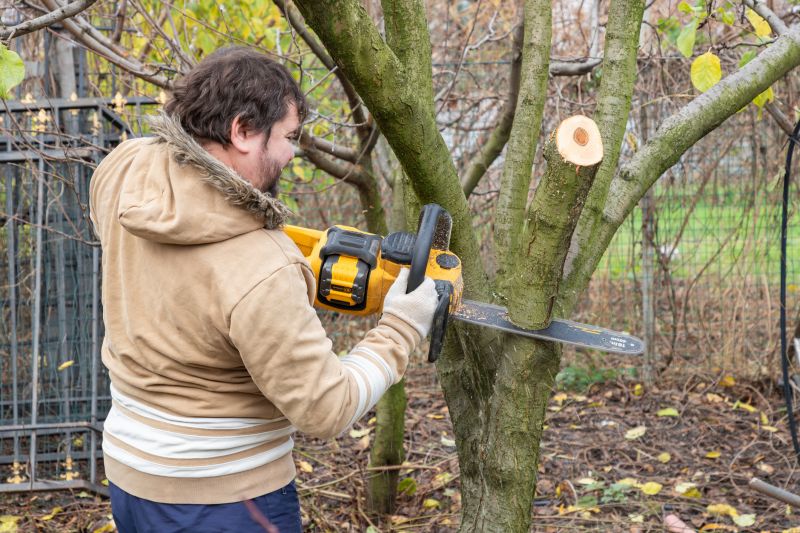
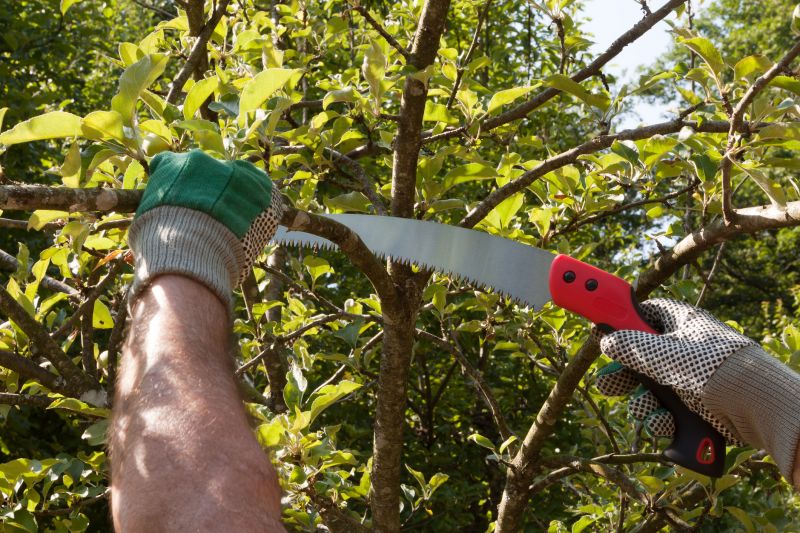
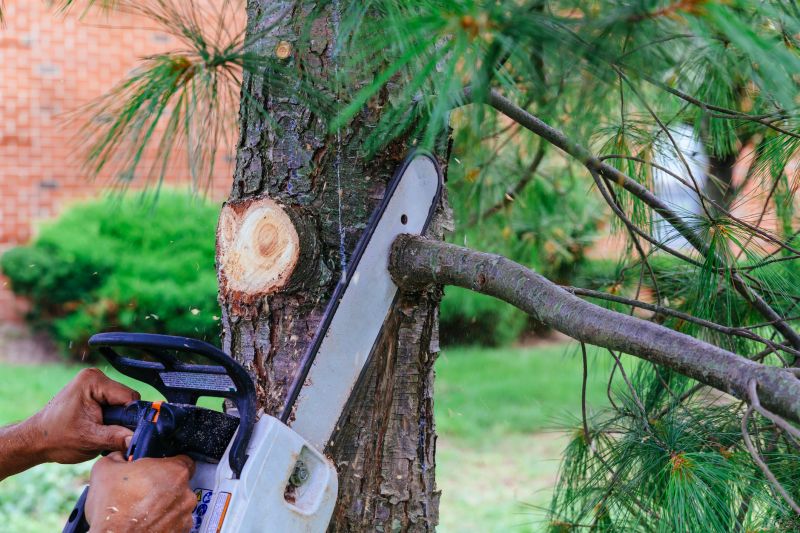
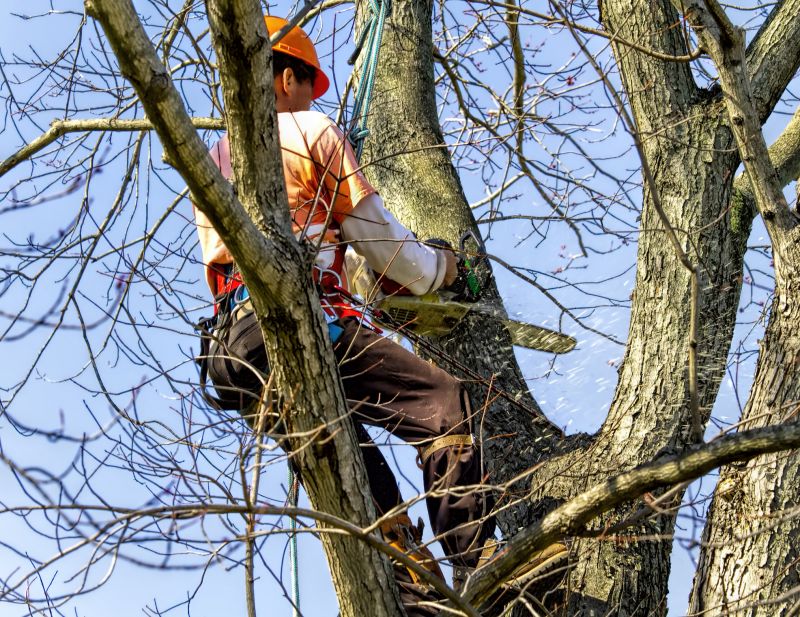
Learn how to compare local contractors for tree branch cutting by defining scope, verifying experience, and maintaining consistent expectations.
- Define Scope of Work - clearly outline the specific tree branches to be cut and the extent of trimming required.
- Verify Experience and Expertise - ensure service providers have relevant experience in tree branch cutting for safety and quality results.
- Assess Equipment and Techniques - confirm that contractors use appropriate tools and methods for safe and effective branch removal.
- Establish Written Expectations - document the scope, procedures, and any special considerations to prevent misunderstandings.
- Compare Local Contractors - evaluate multiple service providers based on scope definition, experience, and approach to find suitable options.
When comparing contractors for tree branch cutting, it is important to evaluate their experience with similar projects. Look for service providers who have a proven track record of handling tree trimming jobs comparable in size and complexity to your needs. Experienced contractors are more likely to be familiar with different tree species, potential hazards, and the best techniques for safe and effective branch removal. Gathering information about their past work can help ensure that the contractor has the practical knowledge necessary to complete your project successfully.
A clear, written scope of work is essential when assessing different service providers. This document should outline the specific tasks to be performed, the areas involved, and any particular considerations relevant to your property. A well-defined scope helps prevent misunderstandings and sets expectations upfront. When discussing your project with potential contractors, ask for a detailed description of what their service includes and ensure that all aspects of the branch cutting are covered in writing before proceeding.
Verification basics are key to confidently choosing among local contractors. Confirm that the service providers have appropriate experience, and request references or examples of previous work. It’s useful to verify their familiarity with safety standards and proper techniques, even if formal licensing or certification isn’t a requirement in your area. Checking reviews or testimonials can provide additional insights into their reliability and quality of work, helping to build a clearer picture of their capabilities.
Evaluating options without focusing on prices involves examining how well each contractor’s proposal aligns with your project needs. Consider the clarity of their communication, the thoroughness of their scope, and their demonstrated experience. Pay attention to how they handle questions and whether they provide detailed, written information about their approach. Comparing these factors can help identify service providers who are thorough, professional, and capable of delivering the results you expect, making it easier to select a contractor that aligns with your project goals.
Ask for written scope details to ensure clear understanding and consistent expectations with service providers.
- Scope of Work - What specific tree branch cutting services do the contractors include in their scope?
- Experience and Expertise - How do local contractors demonstrate their experience with tree branch cutting projects similar to this one?
- Safety and Equipment - What safety procedures and equipment do service providers use to ensure safe branch removal?
- Insurance and Liability - Do the contractors have appropriate liability coverage to protect against potential damages or accidents?
- Written Agreements - How do local contractors outline the scope, expectations, and responsibilities in written agreements?
How can I compare different contractors for tree branch cutting? To compare contractors, review their experience, services offered, and customer feedback. Ensuring clear communication about scope and expectations helps in making an informed choice.
What should I consider when defining the scope of the tree branch cutting project? Clearly outline which branches need trimming, the extent of work, and any specific concerns. Providing detailed information helps contractors deliver accurate service and set proper expectations.
How do I verify the experience of local contractors for tree branch cutting? Ask about their previous work, request references, or review any available portfolio. Confirming experience ensures contractors are capable of handling your specific needs.
What is the importance of having the scope of work in writing? Having the project scope documented helps prevent misunderstandings, ensures all parties agree on the work to be performed, and provides a reference for completion expectations.
How can I ensure a contractor understands my tree branch cutting needs? Communicate your requirements clearly, ask questions about their approach, and confirm that they acknowledge the scope in writing before work begins.
Why is it helpful to get multiple quotes from local contractors? Comparing quotes allows for understanding different approaches and ensures that the scope and expectations are consistent across providers, aiding in selecting the right service provider.
This page has provided an overview of how to find and compare contractors for tree branch cutting. Visitors learned the importance of clearly defining the scope of work, verifying the experience of service providers, and setting clear expectations in writing to ensure a smooth process. By understanding these key points, it becomes easier to identify suitable local contractors who can meet specific project needs.
To explore options and connect with local service providers, consider using the quote form to compare different contractors in the area. This approach helps gather information and make informed decisions based on the options available nearby. Taking the time to evaluate and communicate your project details can lead to a more confident selection of a trusted contractor for tree branch cutting services.